

Nitrogen separation 101: PSA nitrogen generators explained
What is nitrogen separation?
Nitrogen separation is the industrial process whereby pure nitrogen gas (N2) is separated from the Earth's atmosphere, which consists of roughly 78% nitrogen, 21% oxygen and 1% other gases. Nitrogen separation is a key step in industrial nitrogen generation that empowers a variety of applications, and can be achieved using different separation methods.
Cryogenic distillation is the most scalable method for producing large quantities of high-purity nitrogen gas. This requires ambient air to be compressed, cleared of contaminants and cooled to cryogenic temperatures (below -300°F / -185°C). Because nitrogen has a lower boiling point than oxygen, it vaporizes first and rises to the top of the column where it is collected. However, this method is only suitable for mass production with high capital expense and not practical for on-site needs. That's where on-site nitrogen generators come in!
On-site nitrogen generators use membrane or PSA (Pressure Swing Adsorption) methods for nitrogen separation. Out of these two, membrane is simpler, with compressed air passing through a bundle of hollow, semi-permeable polymeric fibres that act like a barrier. Nitrogen travels through the inside of the fiber tube to the exit point. Membrane generators are typically efficient, compact, and lightweight, but they cannot produce very high purity nitrogen.
PSA generators are the standard for on-demand industrial nitrogen generation due to their cost-effectiveness over continuous use and easily adjustable purity levels. PSA systems use Carbon Molecular Sieves to separate nitrogen gas effectively, even for applications requiring a high purity supply.
Pressure Swing Adsorption - How it works
PSA systems use two vessels filled with Carbon Molecular Sieves. A clean, dry compressed air supply is pushed into the first vessel, where the oxygen molecules get trapped inside the CMS, but the larger nitrogen molecules pass through. Once the first bed is saturated with oxygen, the system switches and the pressure drops to release the trapped oxygen into the atmosphere. The two sides switch continuously, ensuring constant production. Visit our article on absorption vs adsorption to learn more about the PSA cycles.
Watch our video below to see PSA generation in action:
Advantages of PSA nitrogen generators
Low cost of ownership
By eliminating frequent delivery, admin and rental fees, PSA nitrogen generators offer a compelling return on investment.
Consistent supply
On-demand nitrogen generation ensures consistent performance even in the most demanding environments. PEAK's engineering expertise guarantees maximum uptime, low operating costs, enhanced safety and monitoring and total control over your supply.
Quality nitrogen gas
PSA generation creates high-purity output that's ideal for sensitive food and beverage, pharmaceutical or other applications requiring high purity levels, up to 99.9995%.
Flexible supply
PEAK Gas Generation's precisely engineered i-Flow systems excel at adapting to changing supply requirements. Production and manufacturing schedules can change quickly, and the i-Flow generators are able to keep up with changing requirements, including the option to extend an existing generator with additional CMS for higher flow rates while maintaining purity.
How do I know if a PSA nitrogen generator is right for me?
There are some key considerations to review when selecting a nitrogen generator. For industrial users, one of the common starting points is purity - for simple and basic tasks like tyre inflation, purity is not a concern, which means a membrane generator might be a more efficient solution.
Another key consideration is the generator's flow rate, which will dictate if a PSA solution is a worthwhile investment for industrial demands. If you are currently relying on regular bulk cylinder or liquid dewar deliveries, a PSA generator can be a very straightforward and cost-effective alternative as they handle high-volume and high-purity applications well.
To determine your consumption, always measure peak demand, check the paperwork of your connected equipment (packaging lines, laser cutters, or instruments), and perform an audit of your current gas use to convert consumption to flow rate units (such as SCFH or NM3/h, - feel free to get in touch with our team if you require help with this).
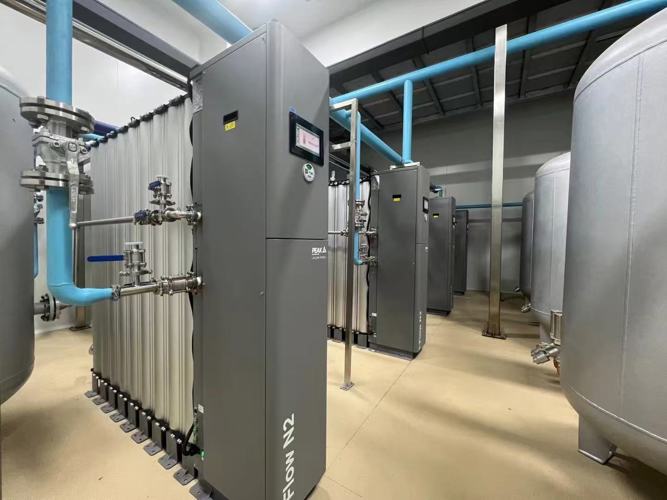 Always make sure the environment the generator is placed into is well-ventilated, with stable temperature and adequate moisture/humidity control.
Lastly, it's important to consider your existing infrastructure and the available space. PSA systems have larger footprints compared to membrane generators and require access to a clean, dry compressed air supply. PSA generators operate better in lower temperatures and should not be placed outside.
Already using compressed air for other systems? You should be good to go, but it's important to double-check you can match the required inlet pressure, moisutre/oil content, pressure stability and temperature control. Our experts can help you look into specific requirements.
Once up and running, regular maintenance plays an important role in the efficiency and longevity of a PSA nitrogen generator. Following our recommendations for scheduled maintenance will prolong the lifespan of your generator and ensure long-term reliability.
Frequently Asked Questions
Interested in securing your own liquid nitrogen supply?
Get in touch with the team at PEAK Gas Generation for a quote or consultation. Our team has been designing and manufacturing PSA nitrogen generators for decades and would love to help you maximize productivity.
Related Items

From preserving flavor and aroma to providing the texture of nitro cold brew, nitrogen plays a key role in coffee production.

We address the misconceptions around using a nitrogen generator for gas assisted injection molding.

Find out how manufacturing applications benefit from a scalable and dependable centralized nitrogen source.